
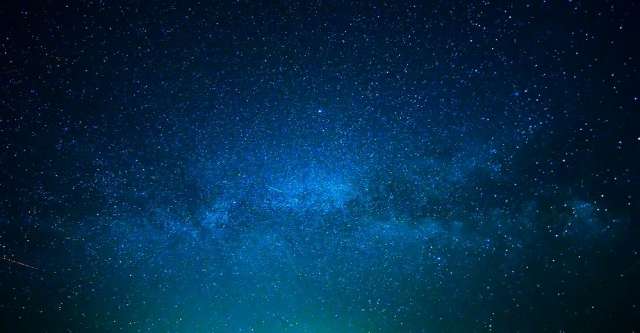
Are you an early riser? Do you venture outdoors for peace before the day begins? Are you bummed that you aren’t in Spain participating in the eclipse? This may cheer you up. On Wednesday and Thursday mornings, you may want to gaze at the night sky. The Perseid meteor shower reaches its peak this week.
Skywatchers in the Northern Hemisphere can expect to see up to 90 colorful meteors per hour before dawn [1].
The best viewing times are the mornings of August 12 and 13. The dates of August 11 and 14 could possibly offer a good show.
To see the most meteors, watch in the dark hours right before dawn. Do not look in the early evening. The meteor radiant in the constellation Perseus will not have risen yet. You want to look toward the east-northeast sky.
“To see the most meteors, watch in the dark hours right before dawn.”
The exact peak is predicted for 14:53 UTC on August 13.
This shower is known for being rich and steady. The meteors are often bright and colorful. They also frequently leave persistent trains in the sky. All of these factors make the Perseids a beloved event for stargazers. Nonetheless, with no moon or clouds, we should get a good view.
The shower runs from July 14 to September 1 as Earth passes through a stream of space debris. However, the number of visible meteors will fall off rapidly after the peak mornings. Clear skies are very important, so keep an eye on the weather.
These meteors rarely hit the ground intact. Meteors that do hit the Earth are called meteorites. The Perseids are made of flimsy cometary ices. Most real meteorites are made of rocky or metallic asteroids.
Notes:
- ^EarthSky. (2026). Everything you need to know: Perseid meteor shower. EarthSky. Retrieved from https://earthsky.org/astronomy-essentials/everything-you-need-to-know-perseid-meteor-shower/ (go back ↩)
