
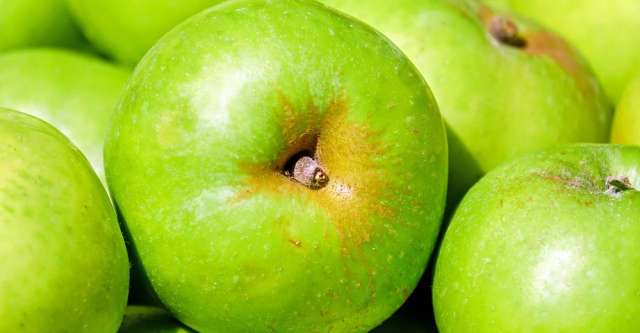
The arrival of autumn brings a new selection of seasonal produce to local grocery stores. Consumers now have access to fresh meal options through root vegetables, winter squash, cranberries, and apples. [1]
Carrots and parsnips are common additions to fall meals. Parsnips are cream-colored vegetables that provide about 6.5 grams of fiber per raw cup.
These root vegetables also contain vitamin C, folate, and potassium. They can be roasted, added to soups, or mashed with potatoes.
“Winter squash varieties include butternut, acorn, pumpkin, and spaghetti squash.”
Winter squash varieties include butternut, acorn, pumpkin, and spaghetti squash. These vegetables have firm outer rinds that allow for longer storage than summer squash.
Spaghetti squash serves as an alternative base for pasta dishes. Cooks can mix the cooked strands with tomato sauce, pesto, or other vegetables.
Cranberries and apples offer specific health benefits during the fall season. A 2024 review of 16 trials indicated cranberry consumption may support heart and metabolic health.
Researchers reported promising findings regarding blood lipids and insulin resistance. Cranberries can be paired with sweeter fruits like apples or pears to balance their natural tartness.
“Apples provide approximately 4 grams of fiber per medium fruit.”
Apples provide approximately 4 grams of fiber per medium fruit. This fiber includes pectin, which supports digestive health and gut bacteria.
Apples also contain plant compounds called polyphenols. A recent review of 38 studies connected these compounds to blood sugar regulation and vascular function.
These seasonal ingredients can be combined into single meals. One example is a salad mixing sweet potatoes, field greens, pecans, and cranberries.
Notes:
- ^Dole. (2026). A Seasonal Produce Roundup – Dole. Dole. Retrieved from https://www.dole.com/blog/fall-for-fruits-and-vegetables (go back ↩)
