
Guest post by Lily Little.
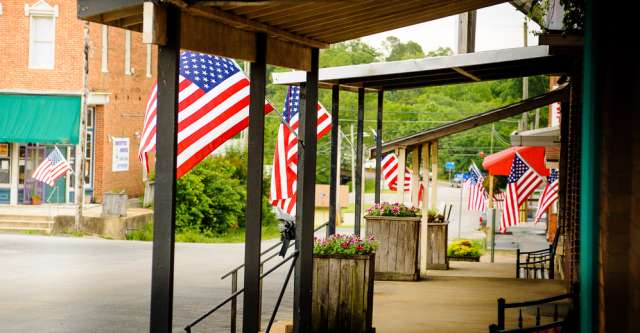
Small businesses in rural Missouri communities like Alton often have more market potential than their local population suggests. A shop, farm stand, repair service, boutique, bakery, outfitter, maker, or family-run restaurant may be located on a small-town main street, but its real customer base does not have to stop at the city limits. With the right video content, rural businesses can reach online shoppers, weekend travelers, regional buyers, former locals, tourists passing through the Ozarks, and out-of-state customers looking for something authentic.
The problem is not that small-town businesses lack interesting stories. Most have better stories than big-city competitors. The problem is that many of those stories stay invisible because marketing never moves beyond local word of mouth, a Facebook post here and there, or a sign by the road.
Here’s the Practical Takeaway
A rural Missouri business can use video to turn everyday work into customer discovery. A short clip of a product being made, a founder explaining why the business exists, or a customer showing what they bought can travel far beyond Oregon County, Howell County, Shannon County, or any single local market. Over time, consistent video makes the business easier to find, easier to trust, and easier to remember. The result is simple: more people know the business exists before they ever drive through town. Some will order online. Some will plan a weekend stop. Some will tell their families. Some will save the video and come months later.
Video Ideas That Work for Rural Missouri Businesses
Not every video needs to be polished. In fact, overly slick content can make a small-town business feel less approachable. The strongest videos usually feel specific, useful, and real.
-
Founder stories: Why the owner started the business, what problem they solve, or what keeps them going.
-
Behind-the-scenes footage: A morning opening routine, a product being packed, a kitchen prep moment, a workshop bench, a delivery day, or a restock.
-
Product demos: How to use, wear, cook, install, clean, gift, or choose the product.
-
Town spotlights: Short videos showing nearby landmarks, seasonal events, scenic drives, local history, or reasons to visit.
-
Customer features: A regular customer’s favorite item, a visitor’s reaction, or a before-and-after result.
-
“Worth the drive” videos: Clips that show why someone from another town should make the trip.
-
FAQ videos: Simple answers to common questions about hours, shipping, sizing, parking, custom orders, reservations, or service areas.
Matching the Video to the Platform
Different platforms reward different habits. A rural business does not need to be everywhere at once, but it should understand what each channel is good for.
|
Platform |
Best Use |
Example for a Rural Business |
|
YouTube |
Searchable, long-term discovery |
“A Day Inside Our Missouri Woodshop” |
|
TikTok |
Fast reach and personality |
“Packing an order from a customer in Kansas City” |
|
|
Visual storytelling and repeat exposure |
“New arrivals, styled three ways” |
|
|
Local sharing and community trust |
“Weekend special, town event, or customer spotlight” |
YouTube is especially useful for videos people may search for later. TikTok and Instagram are stronger for discovery and quick attention. Facebook still matters in rural communities because local residents share posts, tag friends, and help spread the word.
Reaching Customers in More Than One Language
Some small business owners building a real online video presence are beginning to think beyond English-only content. Missouri and neighboring states include customers who speak Spanish and other languages at home, and many of those customers may scroll past a useful video if the audio does not feel accessible. AI-powered audio dubbing tools have made this easier for rural businesses that do not have a production crew or translation budget. With tools like Adobe Firefly’s AI dubbing feature, a business can take one video and create dubbed versions in multiple languages while keeping the speaker’s voice and tone recognizable; business owners can learn more here. For a small-town entrepreneur, that can turn one founder story, product demo, or how-to video into content that reaches customers who would otherwise never stop to watch.
A Simple Filming Method That Does Not Require Expensive Gear
A modern smartphone is enough for most rural small-business videos. Good lighting, clear audio, and a steady shot matter more than a fancy camera.
Use this basic process:
-
Choose one clear message. Do not try to explain the whole business in one video. Focus on one product, one story, one customer question, or one reason to visit.
-
Film near natural light. Stand by a window, open a shop door, or film outside during soft morning or late-afternoon light.
-
Keep the phone steady. Use a cheap tripod, a shelf, a stack of boxes, or both hands braced against something solid.
-
Record clean sound. Move away from loud refrigerators, traffic, fans, and echo-heavy rooms.
-
Show the thing quickly. Start with the product, the finished result, the owner’s face, or the most visually interesting action.
-
Add captions. Many people watch with sound off, especially on Facebook and Instagram.
-
End with one next step. Tell viewers to visit, order, call, comment, save the post, or check the website.
A Local Growth Resource Worth Knowing
Rural business owners do not have to figure out marketing, planning, and growth strategy alone. The Missouri Small Business Development Center offers business advising and resources for Missouri entrepreneurs. That kind of support can be useful when a business owner wants to connect video content with bigger goals like online sales, tourism traffic, pricing, bookkeeping, hiring, or expansion. A video strategy works best when it is tied to a real business plan, not just random posting. For rural owners who feel stretched thin, outside guidance can help turn scattered ideas into a manageable weekly habit.
Frequently Asked Questions
How often should a rural small business post videos?
Start with one or two videos per week. Consistency matters more than volume. A business that posts one useful video every week for a year will usually build more trust than one that posts daily for two weeks and disappears.
Do videos need to be professionally edited?
No. Clean, clear, honest videos often perform better than heavily edited ones. Trim the dead space, add captions, and make sure viewers understand the point quickly.
What should a business film first?
Start with the easiest proof: best-selling products, customer questions, owner introduction, behind-the-scenes work, and reasons someone should visit from another town.
Can video really help a business in a very small town?
Yes, when the content gives people a reason to care before they arrive. Video can help a rural shop become a planned stop, a gift source, a mail-order option, or a regional favorite.
Conclusion
Small-town Missouri businesses do not need big-city budgets to reach customers beyond their immediate market. They need clear stories, consistent video habits, and a willingness to show the work behind the business. When people can see the product, the owner, the town, and the experience, distance becomes less of a barrier. A rural shop can become more than a local stop; it can become a place people seek out.
