
Growing up, many of us heard the same familiar lines at the dinner table. Eat your vegetables. Slow down. Turn off the TV. At the time, it may have felt like micro management. Maybe even worthy of a dramatic protest. But as we age, we realize that Mom was right.
This Mother’s Day, let us review those well-worn words of wisdom. Today, science is catching up to what she seemed to know all along. Simple, everyday habits can shape our long-term health in powerful ways.
Resume Normal Eating
This meant to skip the extremes. If a diet says to leave out a food group, disregard it. Consistent, moderate eating patterns are more sustainable and supportive of long-term health.
Don’t Eat So Fast!
When you eat, your body releases hormones that signal fullness. But it takes about 20 minutes for those signals to reach your brain. Eating too quickly can make it easy to overeat before your body has a chance to catch up.
Don’t Say You’re Stuffed
That phrase often meant you had gone past the point of fullness. That may work on Thanksgiving, but not every day. Today, we know portion size plays a major role in how much we eat. Both kids and adults tend to eat what is in front of them, regardless of hunger.
Smaller portions and mindful eating can help keep meals balanced and enjoyable.
Sit Up Straight
Sitting upright during meals can support more comfortable digestion and help you stay more aware of how much you are eating.
Turn Off The TV
Eating while distracted, whether it is TV, phones, or laptops, can lead to mindless eating and make it harder to recognize fullness cues. Research has consistently linked screen time during meals with higher calorie intake and less nutritious food choices.
Creating screen-free meals, even just once a day, can help bring focus back to what and how you are eating.
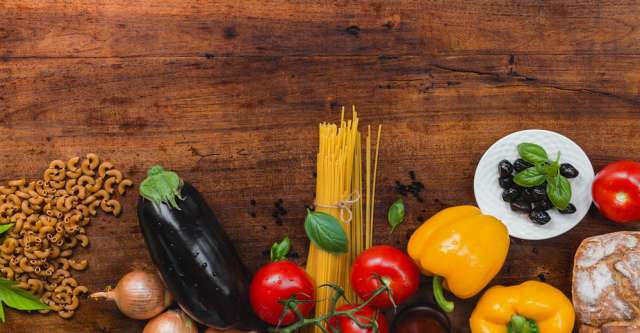
Eat Your Veggies
This goes for fruits, too! Fruits and vegetables provide essential nutrients like fiber, vitamins, minerals, and antioxidants that support heart health, digestion, and overall wellness. Research shows that diets rich in fruits and vegetables are associated with a lower risk of chronic diseases, including heart disease and certain cancers.
Fruits and vegetables help build healthy habits early in life. Evidence suggests that nutrition choices in childhood do influence long-term health outcomes, making those early lessons more important than we may have realized at the time.
A beautiful tribute to a mother’s wisdom this holiday is simply practicing what she taught. Bring more fruits and vegetables to your table, slow your pace, and carve out a quiet space to eat with intention.
