
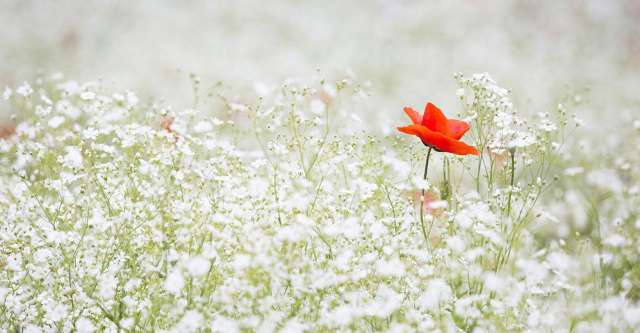
Flowers are pretty anywhere: on the side of the road, in a field, in your garden, in pots. If you want to plant flowers but are unsure of where to start, here’s a beginner’s guide to flower gardening.
Learn
The first thing you need to do is learn a little bit about flowers in general. You need to learn the difference between annuals and perennials, for example. Annuals need to be replanted every year, but perennials keep blooming year after year.
Plan Carefully
Always be sure to plan your flower garden carefully. You must choose flowers that will grow well in your area. You need to plan the location carefully, so your flowers get just the right amount of sun and shade for that variety. You also need to be sure your plants don’t get too much water, but they also need to receive enough.
Remember to plan your garden carefully from the start. You can’t exactly move your flowers around very easily, so it’s critical to plan right from the start.
Soil
If your soil is sandy, you should add some compost and peat moss, because sandy soil tends to dry out quickly. If you have clay soil, you’ll have to add some sand and compost to encourage better drainage. Compost is very, very important for any garden. Compost helps provide nutrients, and it also sets up an ideal drainage condition.
Planting
Be sure not to plant your flowers too deep. If you plant flowers too deeply, the water might end up draining away before it can reach the plant’s roots. Flowers don’t do well if they’re planted too deeply.
Types of Flowers
You should plant perennials and annuals together. Perennials will bloom every year. After a growth period during the spring and summer, they usually die during the winter, and they come back up the next spring.
Annuals only bloom for a single season. Perennials are usually grouped into early, mid-season, and late-season bloomers. By planting a wide variety of these in your garden, you can be sure to have blooms all year long.
Pruning
Every summer, you’ll need to start clipping off dead blossoms. This is very important for annuals, especially. If you clip off dead blooms, annuals will bloom even more. Be sure to throw the clipped blossoms out far away from your garden so you don’t spread any diseases.
Pollinators
You should work to make sure you have some good beneficial insects in your garden. Not all insects are bad! Butterflies, bees, and beetles are critical to flower gardens for pollination. Your flowers won’t do very well without being pollinated!
Ladybugs, mantis, lacewings, dragonflies, and other insects help kill harmful insects. These insects prey upon other bugs like aphids, which can be difficult to eliminate. You want to encourage beneficial insects to visit your garden and stay there.
Colors
You want to be sure to choose flowers in colors that complement each other.
You could group white, blue, and purple together. You could group pink and red. You could group red, yellow, and orange. You can add white to any color scheme, and red also goes well with almost any color. Color scheming is extremely important in flower gardens, because appearance is a crucial element of a flower garden.
