
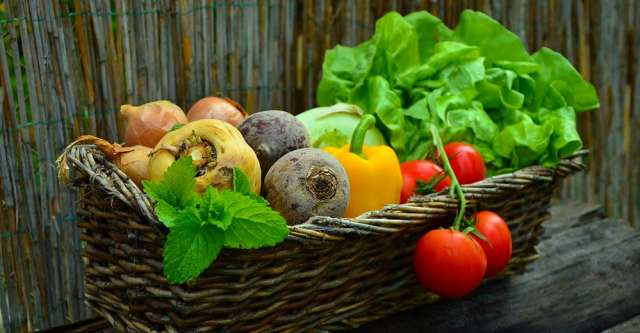
Homeowners are returning to a wartime tradition by planting Victory Gardens in their backyards. These gardens provide fresh food and help families become more self-sufficient. Gardening is becoming a popular way to improve health and spend time outdoors.
Historical Roots
Victory gardens began during World Wars I and II. The government encouraged Americans to grow food in backyards, rooftops, and fire escapes to support the war effort. This helped free up resources for the military. By 1944, over 20 million gardens were producing 40% of the nation’s fresh vegetables.
“By 1944, over 20 million gardens were producing 40% of the nation’s fresh vegetables!”
Modern Benefits
Today, the focus has shifted toward health and sustainability. Gardening offers fresh air, sunshine, and a mood boost for participants. It also serves as a way to keep children busy and teach new skills. Modern gardeners are encouraged to grow nutrient-packed vegetables that their families actually enjoy eating.
Garden Planning
Classic victory gardens included beans, carrots, peas, cabbage, lettuce, squash, and tomatoes. Many growers also use succession planting. This involves replanting new crops as others are harvested to maintain a steady food supply. Herbs like basil, chamomile, and cilantro are often added to enhance meals.
“Gardening is more than just planting seeds—it’s fresh air, sunshine, and a big mood boost.”
Soil and Maintenance
Success in gardening starts with healthy soil. For in-ground beds, organic compost can be mixed with native soil to boost nutrients. Raised beds may require specialized soil blends packed with composted materials. Regular watering and feeding help keep the crops thriving all season long.
Local Experts
In Alton, we have experts at the Ourback Greenhouse who can assist with what to plant, when to plant, and how much. They have a variety of vegetables started for your convenience, too.
